
Craftsman House Plans: Complete Guide to Arts & Crafts Style Homes
Craftsman house plans represent the pinnacle of American architectural design from the early 20th century, combining exceptional craftsmanship with functional beauty. These timeless homes feature exposed beams, built-in furniture, natural materials, and meticulous attention to detail that appeals to homeowners seeking character and authenticity in their living spaces.
Craftsman House Plans Collection
Browse our curated selection of 5 professionally designed craftsman house plans. Click any plan to view detailed floor plans, pricing, and specifications.
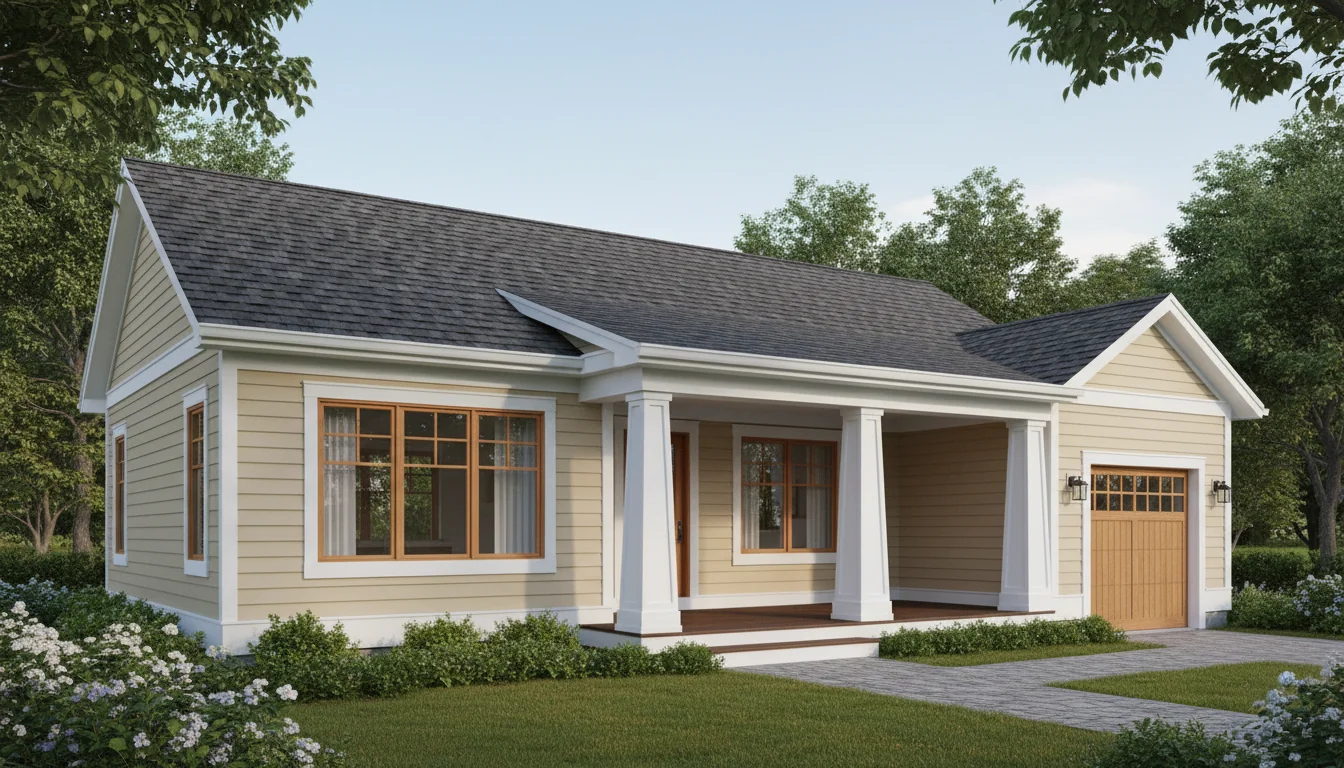
Craftsman 1350 Sq Ft 3-Bedroom Plan #1
craftsman • 1 Story
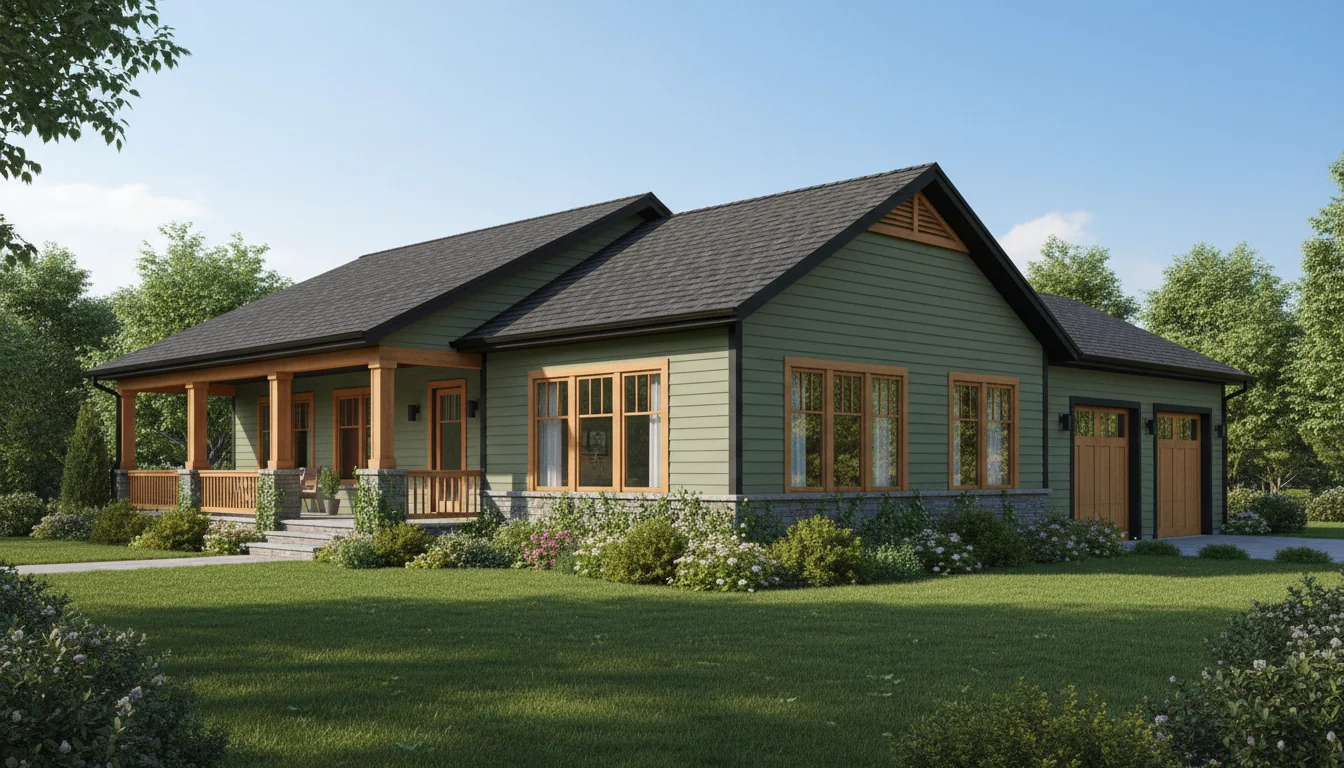
Craftsman 1425 Sq Ft 3-Bedroom Plan #2
craftsman • 1 Story
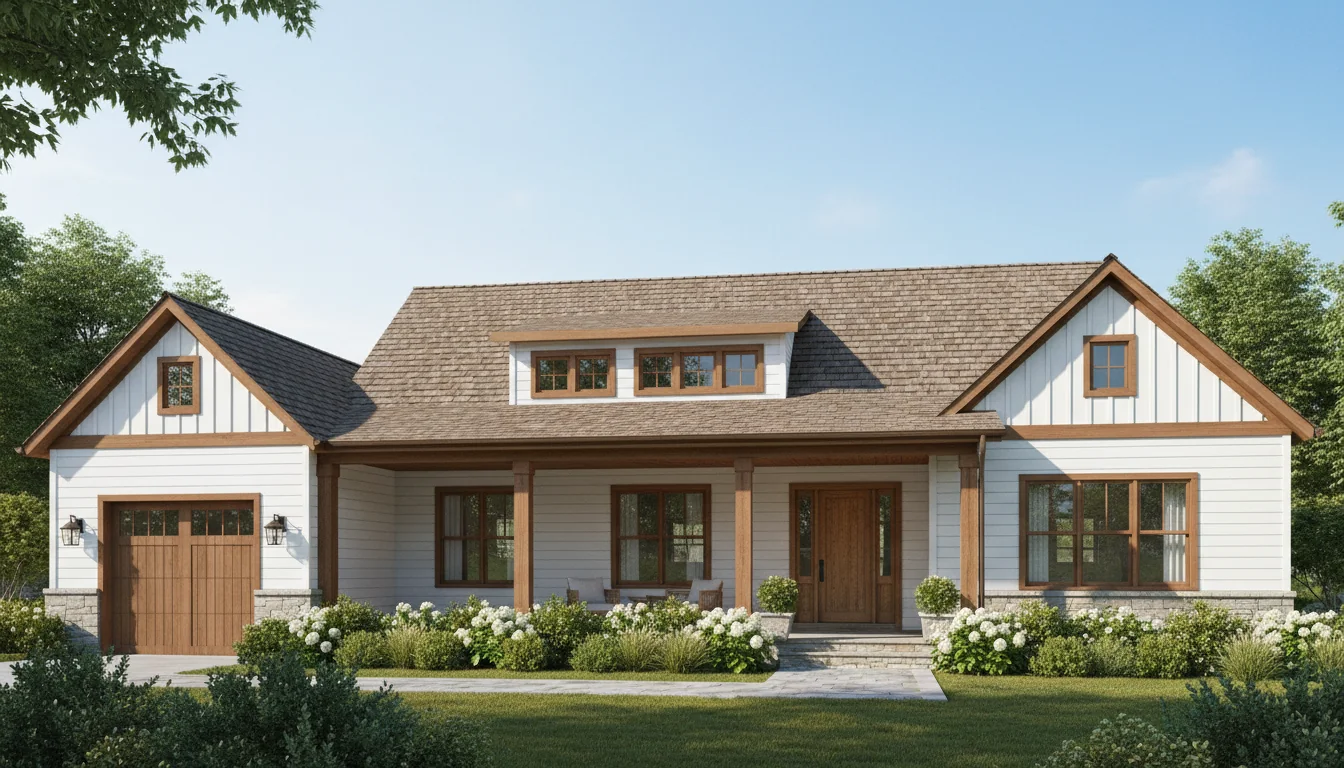
Craftsman 1500 Sq Ft 3-Bedroom Plan #3
craftsman • 1 Story
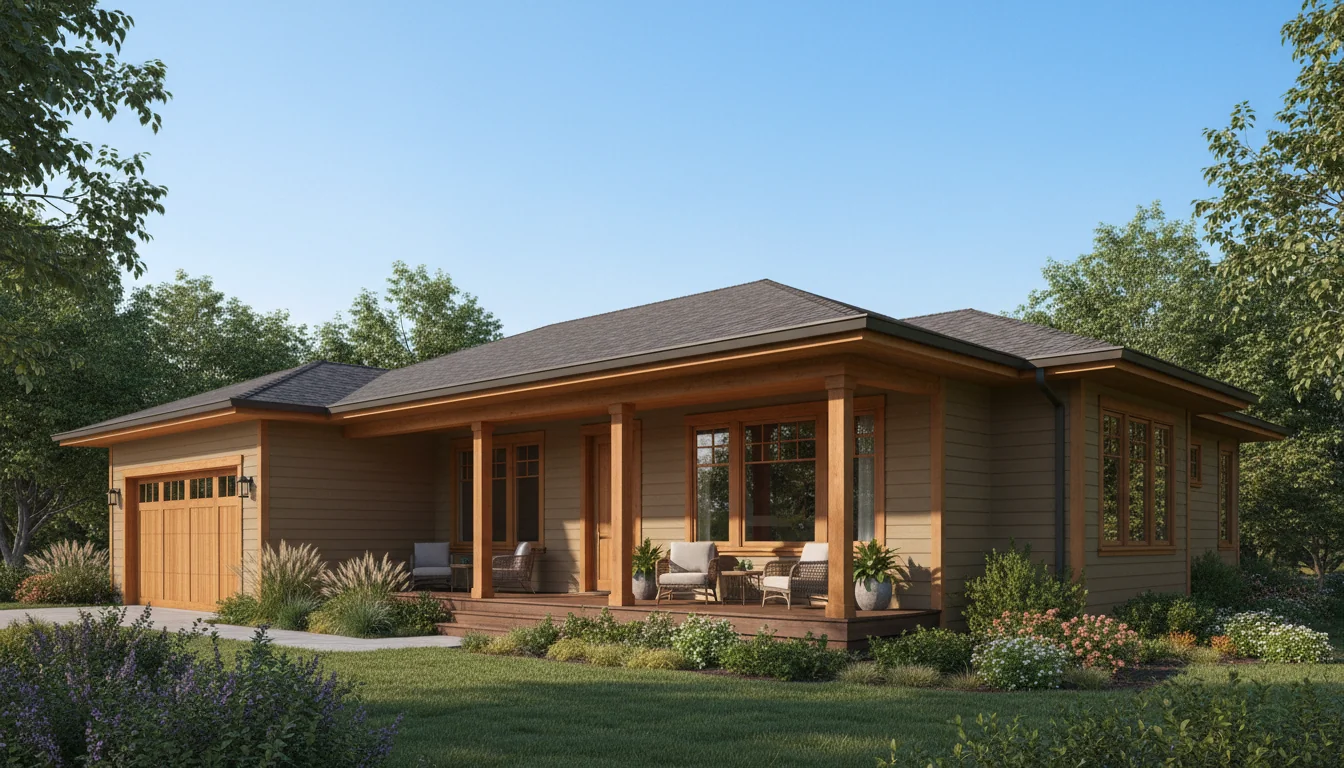
Craftsman 1575 Sq Ft 3-Bedroom Plan #4
craftsman • 1 Story
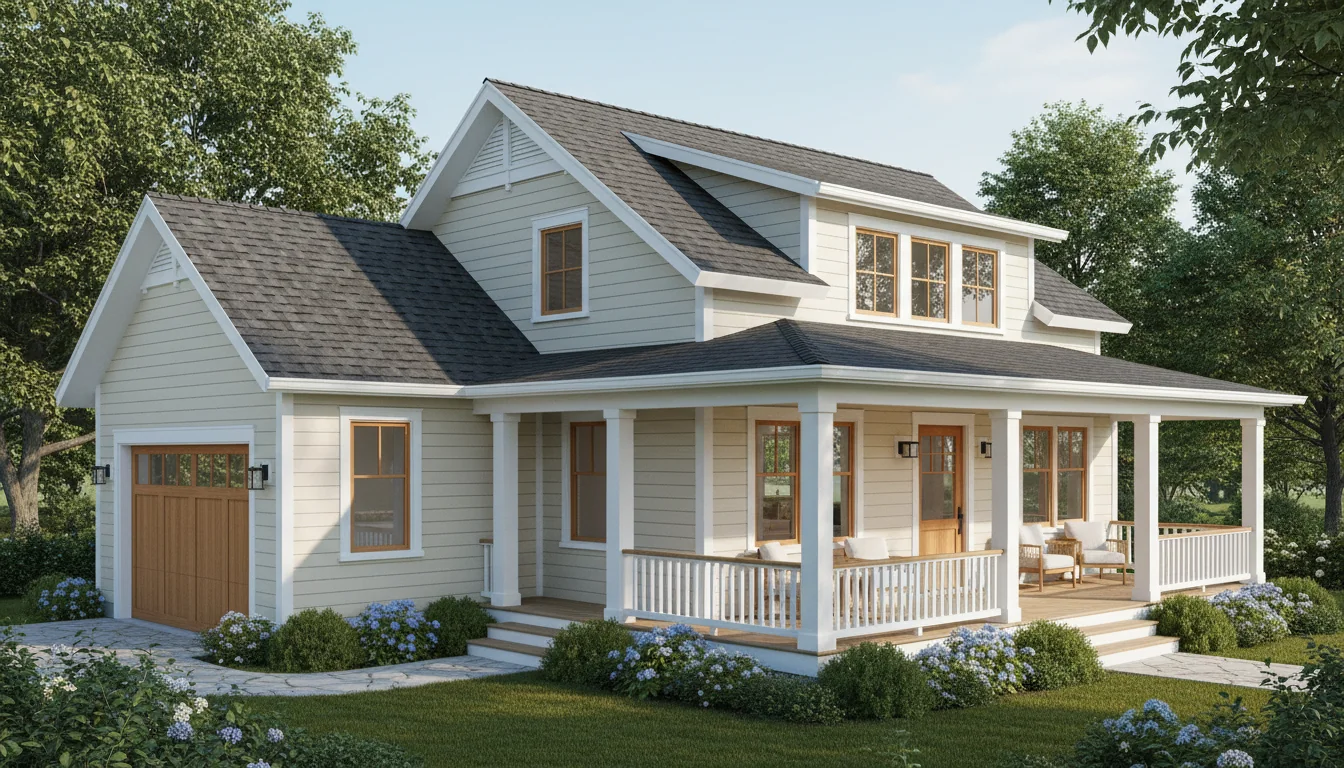
Craftsman 1650 Sq Ft 3-Bedroom Plan #5
craftsman • 1 Story
Click any plan above to view full details, floor plans, and estimated build costs
Understanding Craftsman Architecture
Craftsman architecture emerged in the early 1900s as a reaction against the ornate Victorian designs that dominated American housing. Founded on principles of simplicity, quality craftsmanship, and natural materials, the craftsman movement transformed residential architecture. According to the National Association of Home Builders (NAHB), craftsman-style homes remain among the most sought-after architectural styles in America, with values consistently 15-20% higher than comparable homes in other styles.
The craftsman philosophy emphasizes honest materials, functional design, and integration with the natural environment. These homes celebrate woodworking artistry through exposed structural elements, built-in cabinetry, and carefully detailed trim work. Modern small house plans incorporating craftsman elements offer homeowners the opportunity to experience this beloved architectural tradition at accessible price points.
Core Craftsman Design Principles
- Honest Materials: Exposed wood beams, stone foundations, and natural siding materials showcase authentic construction
- Functional Beauty: Every design element serves a purpose while contributing to aesthetic appeal
- Handcrafted Details: Custom woodwork, built-in furniture, and artisanal hardware demonstrate skilled craftsmanship
- Natural Integration: Large porches, low-pitched roofs, and abundant windows connect indoor and outdoor spaces
- Quality Over Quantity: Emphasis on well-designed smaller spaces rather than excessive square footage
Signature Craftsman Exterior Features
Craftsman homes are instantly recognizable by their distinctive exterior characteristics. The American Institute of Architects (AIA) notes that these design elements have endured for over a century because they balance aesthetic appeal with practical functionality.
- Low-Pitched Gabled Roofs: Wide eaves with exposed rafter tails and decorative brackets
- Full or Partial Width Front Porches: Supported by tapered columns on stone or brick pedestals
- Natural Materials: Wood siding, stone accents, and brick foundations create organic texture
- Multi-Pane Windows: Double-hung windows with divided lights in upper sashes
- Detailed Trim Work: Exposed beams, decorative brackets, and carefully crafted woodwork
- Authentic Color Palettes: Earth tones including sage green, warm brown, deep red, and natural wood stains
Craftsman Interior Design Elements
The interior of a craftsman home extends the architectural philosophy of honest materials and functional beauty throughout the living space. These homes feature distinctive elements that create warm, inviting environments while maximizing efficiency in smaller footprints. Many modern 2 bedroom small house plans successfully incorporate these classic craftsman interior features.
Built-In Furniture and Cabinetry
One of the most beloved craftsman features is the extensive use of built-in furniture. According to research from the U.S. Census Bureau, homes with craftsman-style built-ins command premium resale values because these features maximize functionality while reducing furniture needs.
- Inglenook Seating: Built-in benches flanking the fireplace create cozy reading nooks
- Window Seats: Custom benches with storage beneath make use of bay window spaces
- Built-In Bookcases: Floor-to-ceiling shelving flanking fireplaces or in hallways
- Dining Room Sideboards: Integrated buffets with glass-front cabinets display china and glassware
- Kitchen Pantries: Custom cabinetry with multiple drawers and specialized storage solutions
- Coat Closets and Mudrooms: Built-in benches, hooks, and cubbies near entryways
Woodwork and Millwork
Craftsman homes showcase exceptional woodworking throughout the interior. Quarter-sawn oak was the traditional choice for its distinctive grain pattern and durability, though modern craftsman homes often use sustainably harvested hardwoods. These details appear in cottage house plans and other small home designs that embrace traditional craftsmanship.
- Box Beam Ceilings: Exposed or decorative beams create architectural interest and visual height
- Plate Rails and Wainscoting: Wood paneling and decorative trim at chair rail height
- Wide Door and Window Casings: Substantial trim proportions typical of the Arts & Crafts movement
- Coffered Ceilings: Sunken panels with decorative beams in formal living areas
- Custom Staircases: Newel posts, balusters, and railings crafted from solid hardwood
Craftsman Fireplace Design
The fireplace serves as the heart of the craftsman home, both literally and symbolically. These substantial hearths typically feature natural stone or brick construction with wood mantels displaying exceptional joinery. The U.S. Department of Energy notes that when designed with modern inserts, craftsman fireplaces can provide efficient supplemental heating while maintaining authentic aesthetics.
Small Craftsman House Plans: Square Footage Options
Craftsman design principles adapt beautifully to smaller homes, making them ideal for homeowners seeking character and quality in efficient footprints. The NAHB reports that small craftsman homes (under 2,000 sq ft) represent one of the fastest-growing segments in new home construction, appealing to first-time buyers, downsizers, and those prioritizing quality over size.
| Square Footage | Typical Layout | Best For | Est. Build Cost* |
|---|---|---|---|
| 800-1,000 sq ft | 1-2 bedrooms, 1 bath, open living | Singles, couples, ADUs | $120,000-$175,000 |
| 1,000-1,200 sq ft | 2 bedrooms, 1.5-2 baths | Starter homes, downsizers | $150,000-$210,000 |
| 1,200-1,500 sq ft | 2-3 bedrooms, 2 baths | Small families, empty nesters | $180,000-$262,500 |
| 1,500-1,800 sq ft | 3 bedrooms, 2-2.5 baths | Growing families | $225,000-$315,000 |
| 1,800-2,000 sq ft | 3-4 bedrooms, 2.5 baths | Families needing extra space | $270,000-$350,000 |
*Costs based on national average of $150/sq ft for craftsman construction (NAHB 2024). Actual costs vary by region and finishes.
Craftsman Bungalow Plans (800-1,200 sq ft)
The craftsman bungalow represents the most iconic expression of the style. These single-story homes maximize livability within compact footprints through intelligent space planning and built-in storage solutions. The U.S. Department of Housing and Urban Development (HUD) recognizes bungalows as highly efficient housing options for aging-in-place and accessibility needs.
Key bungalow features include open-plan living areas that flow naturally from living room to dining room, efficient kitchens with abundant built-in storage, and bedrooms sized appropriately for actual use rather than excessive square footage. Many incorporate 1 bedroom house plans or 2 bedroom house plans depending on household needs.
Small Craftsman Two-Story Plans (1,200-2,000 sq ft)
Two-story craftsman homes maximize square footage on smaller lots while maintaining authentic design elements. These plans typically feature living spaces on the main floor with bedrooms upstairs, though many include a main-floor master suite option for long-term livability. According to the Census Bureau, two-story small homes require 30-40% less foundation and roofing per square foot than single-story equivalents, reducing construction costs significantly.
Popular configurations include 1.5-story designs with dormers providing natural light to upstairs bedrooms, bonus room options over garages for flexible space, and full two-story plans with 3 bedroom layouts ideal for growing families.
Craftsman House Plans Cost Analysis
Building a craftsman home requires careful budget planning because authentic details and quality materials command premium pricing. However, the investment yields substantial returns through higher resale values, lower maintenance costs, and exceptional durability. The NAHB estimates craftsman homes average $150-200 per square foot to build, compared to $125-150 for standard construction.
Detailed Cost Breakdown
| Cost Category | Standard Home | Craftsman Home | Premium % |
|---|---|---|---|
| Foundation & Site Work | $15,000-$25,000 | $18,000-$30,000 | +20% |
| Framing & Structure | $25,000-$40,000 | $32,000-$52,000 | +28% |
| Exterior Materials | $18,000-$30,000 | $28,000-$48,000 | +55% |
| Roofing | $8,000-$15,000 | $12,000-$22,000 | +50% |
| Windows & Doors | $12,000-$20,000 | $18,000-$32,000 | +60% |
| Interior Millwork | $8,000-$15,000 | $20,000-$40,000 | +150% |
| Built-In Furniture | $2,000-$5,000 | $8,000-$18,000 | +300% |
| Mechanical Systems | $20,000-$30,000 | $22,000-$35,000 | +10% |
| Finishes & Details | $15,000-$25,000 | $22,000-$40,000 | +47% |
| Total (1,200 sq ft) | $123,000-$205,000 | $180,000-$317,000 | +46% |
Source: NAHB Cost of Construction Survey 2024
Cost Optimization Strategies
While craftsman homes command premium construction costs, strategic planning can deliver authentic character within budget constraints: Browse our Construction Cost Calculator and Craftsman House Plans for related designs.
- Prioritize Visible Details: Focus custom millwork in main living areas while using simpler finishes in bedrooms and utility spaces
- Standard Dimensions: Design to standard lumber lengths and window sizes to minimize waste and custom fabrication
- Simplified Roof Lines: Basic gable or hip roofs with exposed rafter details provide craftsman character without complex framing costs
- Strategic Built-Ins: Select high-impact built-in features like fireplace flanking bookcases rather than furnishing every wall
- Quality Reproduction Hardware: Use well-made reproduction fixtures instead of antique originals to achieve authentic appearance at lower cost
- Phase Construction: Complete the shell and essential built-ins initially, adding decorative elements over time
Craftsman vs. Other Small House Styles
Understanding how craftsman design compares to other popular small house styles helps homeowners make informed decisions. Each architectural approach offers distinct advantages depending on lifestyle preferences, budget, and regional considerations.
| Style | Key Features | Typical Cost/Sq Ft | Best For |
|---|---|---|---|
| Craftsman | Built-ins, exposed beams, natural materials | $150-$200 | Quality-focused buyers |
| Cottage | Cozy spaces, efficient layouts, charming details | $125-$165 | Vacation homes, downsizers |
| Modern | Clean lines, open plans, minimal ornamentation | $140-$180 | Contemporary aesthetics |
| Cabin | Rustic materials, simple construction, informal | $110-$150 | Recreational properties |
| Prefab | Factory-built, standardized components | $100-$140 | Budget-conscious, fast builds |
Regional Considerations for Craftsman Homes
While craftsman architecture originated in California, the style has been successfully adapted to diverse climates across America. Regional modifications ensure comfort, durability, and energy efficiency while maintaining authentic design principles. Browse our Construction Cost Calculator and Craftsman House Plans for related designs.
Pacific Northwest Craftsman Adaptations
The style's birthplace features abundant rainfall requiring specific design considerations. Deep overhanging eaves protect siding and windows from moisture, while covered porches provide outdoor living space during rainy months. Cedar and other rot-resistant woods dominate exterior applications. Energy Star recommends enhanced insulation in roof assemblies to manage the region's heating demands.
Southern Craftsman Variations
Hot, humid climates necessitate modifications including wider roof overhangs for shade, enhanced ventilation through operable transom windows, elevated foundations for air circulation and flood protection, and light-colored roofing materials to reflect solar heat. Many southern craftsman homes incorporate screened porches as essential living spaces. These principles apply to affordable house plans throughout the region.
Northern Climate Craftsman Designs
Cold climate craftsman homes prioritize energy efficiency through smaller window areas than traditional designs, enhanced insulation packages exceeding code minimums, vestibule entries to minimize heat loss, and steep roof pitches for snow shedding. The Department of Energy recommends triple-pane windows and air sealing details for northern craftsman construction.
Energy Efficiency in Craftsman Homes
Modern craftsman house plans can achieve excellent energy performance while respecting traditional aesthetics. The key lies in applying contemporary building science to authentic design elements. According to Energy Star, properly designed small craftsman homes can achieve 40-50% greater efficiency than standard construction.
Thermal Envelope Strategies
- Advanced Framing: 2x6 walls with optimized stud spacing provide superior insulation space
- Continuous Insulation: Exterior rigid foam beneath siding eliminates thermal bridging
- High-Performance Windows: Low-E double or triple glazing in authentic divided-light configurations
- Air Sealing: Meticulous attention to envelope continuity reduces infiltration losses
- Roof Insulation: Dense-pack cellulose or spray foam in rafter bays achieves high R-values
Mechanical System Optimization
Right-sized HVAC systems matched to actual loads deliver superior comfort and efficiency. Heat pump technology provides both heating and cooling in a single efficient system. Energy recovery ventilators maintain indoor air quality while minimizing energy losses. These systems integrate seamlessly into energy efficient house plans of all styles.
Craftsman Exterior Materials Guide
Material selection profoundly impacts both authenticity and long-term performance of craftsman homes. Traditional materials require ongoing maintenance, while modern alternatives offer durability with similar aesthetics. Browse our Construction Cost Calculator and Craftsman House Plans for related designs.
Siding Options
| Material | Authenticity | Maintenance | Lifespan | Cost/Sq Ft |
|---|---|---|---|---|
| Cedar Lap Siding | Excellent | High (paint/stain every 5-7 years) | 40-60 years | $8-$14 |
| Fiber Cement | Very Good | Low (paint every 15 years) | 50+ years | $6-$11 |
| Engineered Wood | Good | Moderate (paint every 10 years) | 30-40 years | $5-$9 |
| Vinyl (woodgrain) | Fair | Very Low (wash annually) | 40-50 years | $4-$8 |
Stone and Masonry Work
Authentic craftsman homes feature substantial stone or brick elements in foundations, chimneys, and porch supports. Natural fieldstone provides the most authentic appearance, while manufactured stone veneer offers similar aesthetics at reduced cost and weight. The NAHB notes that stone accents typically add $8,000-$15,000 to small home construction costs but deliver significant curb appeal value. Browse our Construction Cost Calculator and Craftsman House Plans for related designs.
Craftsman Landscaping and Site Design
The Arts & Crafts philosophy extends beyond the house to encompass the entire property. Craftsman landscaping emphasizes natural plantings, stone pathways, and integration between indoor and outdoor spaces. According to the USDA National Agricultural Library, appropriate landscaping can reduce home energy costs by 15-25% through strategic shade placement and wind protection.
Authentic Craftsman Landscape Elements
- Stone Pathways: Irregular flagstone or brick walkways lead to entrances and gardens
- Low Stone Walls: Natural stone boundaries and retaining walls define spaces
- Native Plantings: Regionally appropriate trees, shrubs, and perennials reduce maintenance
- Pergolas and Arbors: Wood structures with exposed joinery extend architectural details outdoors
- Water Features: Simple fountains or reflecting pools provide focal points
- Vegetable Gardens: Productive gardens reflect Arts & Crafts values of self-sufficiency
Building a Craftsman Home: Process Overview
Constructing an authentic craftsman house requires careful planning and skilled tradespeople. The process typically spans 8-14 months from design to completion, depending on size, complexity, and weather conditions.
Design and Planning Phase (2-4 months)
Begin by selecting house plans that match your needs and budget. Many homeowners work with architects to customize stock plans, adding personal details while maintaining authentic proportions. This phase includes obtaining building permits, finalizing material selections, and securing construction financing. For those considering smaller footprints, explore house plans under 1000 sq ft or house plans under 1500 sq ft.
Foundation and Framing (2-3 months)
Foundation work begins after site preparation. Craftsman homes typically use full basements, crawl spaces, or slab foundations depending on region and site conditions. Framing follows, with particular attention to exposed beam details, porch posts, and roof structures. Quality framing is essential for the exposed elements that characterize craftsman design.
Exterior Envelope (2-3 months)
This phase includes roofing installation, window and door placement, and siding application. Special attention goes to details like exposed rafter tails, decorative brackets, and trim work. Stone or brick elements are completed during this phase, along with porch construction and exterior painting or staining.
Interior Completion (3-5 months)
Mechanical systems installation precedes interior finishing. The craftsman interior requires substantial time for custom millwork, built-in furniture fabrication, and detailed trim work. Many builders complete basic finishes first, then add built-ins and special details to spread costs over time.
Financing Craftsman House Construction
Securing financing for craftsman home construction follows similar processes to other residential construction, though the premium costs may require larger down payments or construction-to-permanent loans. According to HUD, construction loans typically require 20-25% down payment and carry interest rates 0.5-1% higher than conventional mortgages during the building phase. Browse our Construction Cost Calculator and Craftsman House Plans for related designs.
Construction Loan Options
- Construction-to-Permanent Loans: Single closing covers both construction and permanent financing, reducing costs
- Stand-Alone Construction Loans: Short-term financing for building, followed by separate mortgage closing
- Owner-Builder Construction Loans: For experienced builders managing their own projects, though harder to qualify for
- Home Equity Financing: Using equity from existing property to fund new construction
Cost Management Strategies
Controlling craftsman construction costs requires balancing authentic details with budget realities. Prioritize custom elements in most visible areas while using quality standard materials in secondary spaces. Consider phased construction, completing the shell and essential built-ins initially, then adding decorative millwork and custom details over several years as budget allows. This approach is particularly effective for starter home plans that owners plan to upgrade incrementally.
Craftsman House Plans for Specific Needs
Craftsman architecture adapts beautifully to various specialized housing needs, from accessory dwellings to aging-in-place designs. Browse our Construction Cost Calculator and Craftsman House Plans for related designs.
Craftsman ADU and Cottage Designs
Accessory dwelling units benefit from craftsman detailing that helps new structures blend with existing homes. Small footprints (400-800 sq ft) can incorporate signature elements like exposed beams, built-in furniture, and quality materials within tight budgets. These units serve as guest house plans, rental income sources, or housing for aging family members.
Empty Nester Craftsman Homes
Retirees and empty nesters increasingly choose small craftsman homes for their combination of character, single-story layouts, and manageable maintenance. According to AARP, 87% of seniors prefer to age in place, making accessible single-story craftsman bungalows ideal choices. Features include main-floor master suites, zero-step entries, wider doorways for future mobility needs, and strategically placed built-ins reducing furniture requirements. Explore empty nester house plans for specific designs.
Craftsman Homes for Narrow Lots
Urban infill lots often measure only 30-40 feet wide, requiring modified craftsman designs. Narrow lot craftsman plans typically feature side-load or rear garages, front porches spanning the full width to maximize curb appeal, vertical emphasis through two-story designs with dormers, and efficient interior layouts minimizing circulation space. These homes prove that authentic craftsman character doesn't require large lots. See narrow lot house plans for examples.
Craftsman Lake and Mountain Homes
Craftsman principles align naturally with recreational property design. These homes emphasize connection to natural surroundings through expansive porches, abundant windows, and natural materials. Construction often uses local stone and timber, reducing transportation costs and environmental impact. Many incorporate small lake house plans or mountain cabin elements while maintaining craftsman authenticity.
Maintenance and Preservation of Craftsman Homes
Craftsman homes require regular maintenance to preserve their character and value. Natural materials demand more attention than modern synthetic alternatives, but proper care ensures decades of beauty and performance. Browse our Construction Cost Calculator and Craftsman House Plans for related designs.
Exterior Maintenance
- Wood Siding: Inspect annually for paint failure, wood rot, or insect damage; repaint or restain every 5-7 years
- Roof Systems: Clean gutters quarterly; inspect shingles annually; replace damaged shingles immediately
- Stone and Masonry: Repoint mortar joints as needed; seal stone surfaces to prevent water penetration
- Windows: Maintain glazing compound and paint; repair or replace damaged panes promptly
- Porch Structures: Check posts and railings for stability; refinish floors every 2-3 years
Interior Maintenance
Interior woodwork requires regular cleaning with appropriate products to preserve finishes without damage. Built-in furniture benefits from periodic refinishing to repair wear in high-use areas. Hardware should be cleaned and lubricated annually. The Department of Energy recommends maintaining HVAC systems annually to preserve efficiency and comfort. Browse our Construction Cost Calculator and Craftsman House Plans for related designs.
Choosing Craftsman House Plans: Decision Factors
Selecting the right craftsman house plan requires careful consideration of multiple factors beyond aesthetic preference. The following framework helps homeowners make informed decisions aligned with their needs and resources.
Lifestyle Compatibility
Craftsman homes suit homeowners who appreciate traditional architecture, value quality over quantity in living space, enjoy natural materials and handcrafted details, and are willing to invest in regular maintenance. Those seeking ultramodern aesthetics, minimal maintenance commitment, or maximum square footage per dollar may find other styles more appropriate. Browse our Construction Cost Calculator and Craftsman House Plans for related designs.
Budget Considerations
Realistic budget planning is essential for craftsman construction. The NAHB recommends adding 25-30% to basic construction budgets to account for craftsman-specific details. Homeowners should prioritize authentic elements in visible areas while making economical choices in utility spaces. For those on tighter budgets, affordable house plans can incorporate craftsman elements selectively.
Site and Regional Factors
Climate significantly impacts craftsman home design and performance. Northern regions require enhanced insulation and smaller window areas, while southern climates benefit from wider porches and enhanced ventilation. Urban lots may necessitate modified designs for setback and height restrictions. Rural properties allow more flexibility in size and orientation. Browse our Construction Cost Calculator and Craftsman House Plans for related designs.
Frequently Asked Questions About Craftsman House Plans
What makes a house a craftsman style?
Craftsman houses are defined by several signature elements: low-pitched gabled roofs with wide overhangs and exposed rafter tails, full or partial-width front porches with tapered columns on stone pedestals, extensive use of natural materials including wood and stone, abundant built-in furniture and cabinetry, exposed structural beams and quality millwork, multi-pane windows with divided lights, and meticulous attention to handcrafted details. The style emerged from the Arts & Crafts movement emphasizing honest materials, functional design, and skilled workmanship. Browse our Construction Cost Calculator and Craftsman House Plans for related designs.
How much does it cost to build a small craftsman house?
Small craftsman homes (800-2,000 sq ft) typically cost $150-200 per square foot to construct, significantly higher than standard home construction at $125-150 per square foot. For a 1,200 sq ft craftsman home, total construction costs range from $180,000-$317,000 depending on finishes and regional labor rates. Premium costs result from custom millwork ($20,000-$40,000), built-in furniture ($8,000-$18,000), high-quality windows and doors ($18,000-$32,000), and natural exterior materials ($28,000-$48,000). However, these investments yield higher resale values and superior durability compared to standard construction. Browse our Construction Cost Calculator and Craftsman House Plans for related designs.
Are craftsman homes energy efficient?
Historic craftsman homes were not particularly energy efficient by modern standards, but new craftsman construction can achieve excellent performance. By applying contemporary building science to traditional aesthetics, modern craftsman homes can exceed Energy Star standards and achieve 40-50% better efficiency than code-minimum construction. Key strategies include advanced framing with enhanced insulation (R-20+ walls, R-50+ roofs), high-performance windows with low-E coatings in authentic divided-light configurations, meticulous air sealing to reduce infiltration, and right-sized HVAC systems with heat pump technology. The thermal mass from stone foundations and fireplaces also contributes to energy performance.
What's the difference between craftsman and bungalow style?
"Craftsman" refers to an architectural style characterized by specific design elements and construction philosophy, while "bungalow" describes a house form—typically a 1 to 1.5-story dwelling with a low-pitched roof. Many bungalows are craftsman style, but not all craftsman homes are bungalows. Craftsman bungalows represent the most iconic expression of Arts & Crafts residential architecture, combining the efficient single-story bungalow form with craftsman details like exposed beams, built-ins, natural materials, and quality millwork. Craftsman style can also apply to two-story homes, cottages, and even larger residences that incorporate the movement's design principles. Browse our Construction Cost Calculator and Craftsman House Plans for related designs.
Can you build a craftsman house on a small lot?
Yes, craftsman design adapts well to small urban lots through careful planning. Narrow lot craftsman plans (designed for 30-50 foot wide lots) incorporate full-width front porches to maximize curb appeal, side-load or rear garages to preserve facade space, vertical design emphasis through two-story construction with dormers, and efficient interior layouts minimizing circulation space. Smaller craftsman homes (1,000-1,500 sq ft) can be built on lots as small as 3,000-4,000 sq ft while maintaining authentic character. The key is selecting plans specifically designed for narrow lots rather than trying to compress standard designs. Browse our Construction Cost Calculator and Craftsman House Plans for related designs.
What wood is used in craftsman homes?
Traditional craftsman homes featured quarter-sawn white oak for interior millwork, trim, and built-in furniture because its distinctive grain pattern and exceptional durability exemplify Arts & Crafts values. Exterior elements used old-growth Douglas fir or redwood for structural beams, cedar or redwood for siding, and mahogany for windows and doors. Modern craftsman construction often substitutes sustainably harvested alternatives: red oak or hickory for interior woodwork, engineered lumber for structural elements, and fiber cement for exterior siding with wood grain texture. For authentic appearance on a budget, builders use oak veneer plywood for cabinet boxes with solid oak face frames and doors. Browse our Construction Cost Calculator and Craftsman House Plans for related designs.
Are craftsman homes good for aging in place?
Craftsman bungalows are excellent for aging in place due to their single-story layouts eliminating stairs, main-floor master suites with adjacent bathrooms, wide doorways (often 32-36 inches) accommodating wheelchairs, open floor plans facilitating mobility, and built-in furniture reducing trip hazards. According to AARP, 87% of seniors prefer to age in place, and single-story craftsman homes are among the most adaptable styles for lifetime livability. Strategic planning during construction—wider hallways, reinforced bathroom walls for future grab bars, no-step entries, and accessible shower designs—creates homes that accommodate changing mobility needs without sacrificing craftsman character. Browse our Construction Cost Calculator and Craftsman House Plans for related designs.
How long does it take to build a craftsman house?
Small craftsman home construction typically requires 8-14 months from groundbreaking to completion, longer than standard construction (6-10 months) due to custom millwork and detailed finishing. The timeline breaks down into: design and permitting (2-4 months), foundation and framing (2-3 months), exterior envelope completion (2-3 months), and interior finishing including custom built-ins and millwork (3-5 months). Weather delays, material availability, and the extent of custom elements affect the schedule. Homes with extensive built-in furniture, custom staircases, or complex millwork may require 12-14 months, while simpler designs with standard built-ins can be completed in 8-10 months. Browse our Construction Cost Calculator and Craftsman House Plans for related designs.
Related Small House Plan Collections
Explore these complementary small house plan styles and configurations to find the perfect design for your needs:
Cottage House Plans
Charming cottage designs offering cozy living spaces with efficient layouts perfect for vacation homes or permanent residences. Browse our Construction Cost Calculator and Craftsman House Plans for related designs.
Modern Small House Plans
Contemporary designs featuring clean lines, open floor plans, and minimal ornamentation for forward-thinking homeowners.
Cabin Plans
Rustic cabin designs perfect for recreational properties, featuring natural materials and simple construction methods. Browse our Construction Cost Calculator and Craftsman House Plans for related designs.
ADU Plans
Accessory dwelling unit designs for rental income, guest housing, or multi-generational living on existing properties. Browse our Construction Cost Calculator and Craftsman House Plans for related designs.
One Story Small House Plans
Single-level living designs ideal for aging in place, accessibility needs, and efficient construction on various lot types. Browse our Construction Cost Calculator and Craftsman House Plans for related designs.
2 Bedroom Small House Plans
Efficient two-bedroom layouts perfect for couples, small families, or those seeking minimalist living with smart space planning. Browse our Construction Cost Calculator and Craftsman House Plans for related designs.
Affordable House Plans
Budget-friendly designs that maximize value through efficient layouts, standard dimensions, and simplified construction details.
Small House Plans with Garage
Compact home designs incorporating attached or detached garages for vehicle protection and additional storage space.
Start Your Craftsman Home Journey
Craftsman house plans offer timeless beauty, exceptional quality, and enduring value for homeowners who appreciate authentic design and skilled craftsmanship. Whether you're building a cozy bungalow, a two-story family home, or an accessory dwelling unit, craftsman architecture adapts to diverse needs while maintaining its distinctive character.
The investment in craftsman construction—both financial and in terms of careful planning—yields homes that will be treasured for generations. From the welcoming front porch to the carefully crafted built-ins, every element contributes to living spaces that combine beauty, functionality, and quality.
Ready to explore craftsman house plans? Browse our collection of small house plans to discover designs that blend Arts & Crafts tradition with modern livability, or use our cost calculator to estimate construction expenses for your dream craftsman home.